The migration isn't a month
Why the great migration is a year-round system, and how to read it before you book.
Isaac
IC Vacation · Advisor
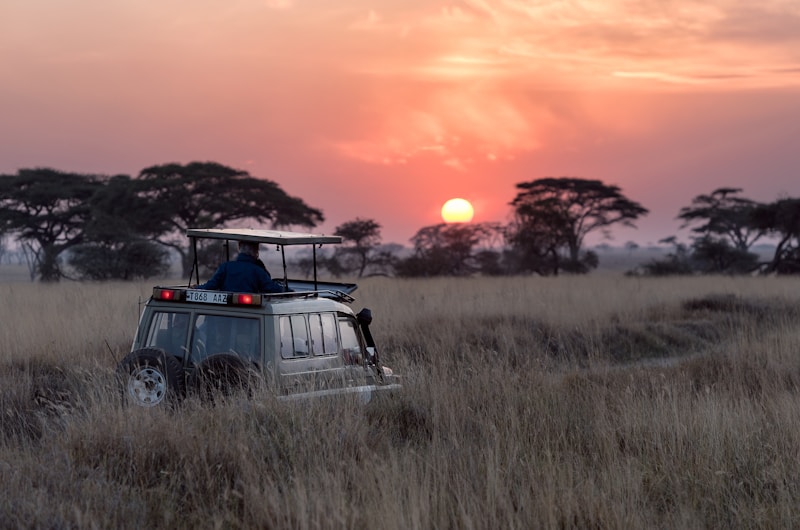
The great migration is marketed as a July event. The crossing. The crocodiles. The drama. In reality, it is a year-round system — two million animals moving in a continuous loop across the Serengeti and Mara ecosystems. There is no off-season. There is only the question of where to be, and when.
Reading the system
January to March: calving season in the southern Serengeti. Half a million wildebeest born in six weeks. Predator density at its highest. April to June: the herds move northwest, through the Grumeti corridor. River crossings begin here — smaller, quieter, with fewer vehicles. July to October: the Mara crossing. The one everyone photographs. November to December: the loop closes. Short rains. The herds drift south again.
There is no off-season. There is only the question of where to be, and when.
How we plan it
We pick the camp based on the month, not the other way around. Mobile camps that follow the herds. Fixed lodges positioned at known crossing points. And always — always — a buffer day on either side, because wildlife does not keep a calendar.
If East Africa is on your mind, the right time to start planning is four to six months ahead. Tell us the window, and we will tell you where to be.